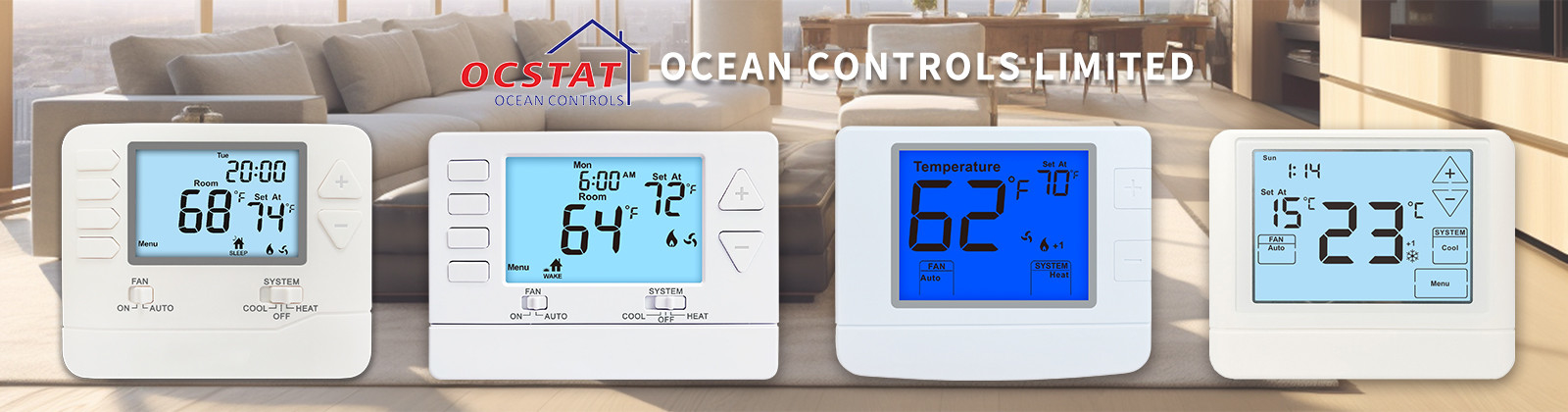
As the days shorten and temperatures plummet, our focus shifts inward, turning our homes into havens from the winter chill. But this season isn't just about comfort—it’s about proactive protection. A comprehensive winter safety strategy involves more than just extra blankets; it's about intelligent climate control. At the heart of this modern approach is your thermostat. Moving beyond a simple temperature dial, today's smart thermostats are powerful tools for safety, efficiency, and peace of mind. This checklist will guide you in leveraging your thermostat to create a secure, comfortable, and protected home all season long.
H2: The Central Role of Your Thermostat in Winter Safety
Your thermostat is the command center for your home's winter environment. A well-managed climate system prevents a cascade of cold-weather issues, from frozen pipes to unhealthy air quality and excessive energy bills. By programming and monitoring your thermostat strategically, you take a giant leap toward comprehensive seasonal safety.
H3: Core Temperature Management for Safety
Preventing frozen pipes is a critical winter task. When indoor temperatures drop too low, the water in your pipes can freeze, expand, and cause costly, damaging bursts.
H4: Set Smart Temperature Safeguards
The Absolute Minimum: Never set your thermostat below 55°F (12°C), even when you're away or asleep. This provides a safety buffer for pipes inside your walls.
Consistency is Key: Avoid large temperature swings. Program your thermostat to maintain a steady baseline temperature, letting it dip only a few degrees at night or during work hours, rather than shutting it off completely.
The "Away" Mode Advantage: If you have a smart thermostat, use the "Away" or "Vacation" mode. It maintains a safe, low-energy temperature automatically, and you can adjust it remotely via smartphone app if needed.
H3: Optimizing Comfort and Air Quality
A safe home is a comfortable and healthy one. Your thermostat works in tandem with your HVAC system to manage more than just temperature.
H4: Balance Humidity for Health
Prevent Dryness: Winter air is dry, which can irritate skin, sinuses, and respiratory systems. Some advanced HVAC systems and smart thermostats, like those from Ocean Controls Limited, can integrate with whole-home humidifiers, allowing you to monitor and maintain ideal humidity levels (generally 30-40%) for comfort and to reduce static electricity.
Avoid Excess Moisture: Conversely, humidity that's too high can lead to condensation and mold. Proper ventilation, sometimes triggered by thermostat settings for fan circulation, is essential.
H5: Schedule Regular Fan Cycles
Use the programmable fan settings on your thermostat to run for 15-20 minutes each hour. This circulates air, preventing stagnant cold pockets, balancing temperatures room-to-room, and helping your air filter capture more airborne particles.
H2: Proactive Protection and System Health
Your thermostat is also your first line of defense in detecting system issues that could become safety hazards.
H3: Monitor and Respond to Alerts
Modern smart thermostats provide valuable diagnostics. Pay attention to alerts for:
Filter Changes: A clogged filter forces your furnace to work harder, a potential fire risk and a sure path to inefficiency.
System Malfunctions: Alerts for ignition failures or communication errors with your HVAC equipment. Ignoring these can lead to unsafe conditions or a complete, costly breakdown on the coldest day.
H4: Integrate with Broader Home Safety
For ultimate protection, consider a holistic system. Companies like Ocean Controls Limited specialize in integrating your thermostat with other home automation and safety devices. Imagine a scenario where a smart water leak sensor detects moisture from a bursting pipe and automatically signals your thermostat to raise the temperature in that zone to mitigate freezing elsewhere. This connected approach is the future of home safety.
H2: Your Actionable Winter Thermostat Checklist
[ ] Verify Settings: Ensure your thermostat is programmed to never go below 55°F (12°C).
[ ] Test Functionality: Check that heating kicks on correctly at your set temperatures. Replace thermostat batteries if needed.
[ ] Enable Alerts: Activate push notifications or email alerts for filter changes and system issues on your smart thermostat.
[ ] Set Fan Schedule: Program the system fan to circulate air periodically throughout the day.
[ ] Check Integration: If you have other smart devices, ensure they are properly communicating with your thermostat for a unified safety net.
[ ] Consider an Upgrade: If your thermostat is outdated, investing in a modern smart model can provide the automated safeguards and insights crucial for modern winter safety and efficiency.
By treating your thermostat as the vital safety tool it is, you move from simply reacting to the cold to proactively commanding your home's winter environment. It’s the simplest upgrade with the most significant impact on your comfort, your wallet, and your peace of mind this season.