Heading 1: Introduction – The Dual Goal of Thermostat Optimization
When it comes to home comfort and energy efficiency, few devices play a more critical role than your thermostat. It’s the unsung hero that regulates indoor temperature, directly impacting how comfortable you feel and how much you pay on utility bills. But with conflicting advice and varying household needs, determining the "best" thermostat temperature can feel overwhelming. In this blog, we’ll break down the science-backed sweet spots, share practical tips, and highlight how Ocean Controls Limited—an industry leader in smart climate solutions—can help you achieve both comfort and savings.
Heading 2: The Science Behind Thermostat Temperature and Comfort
Comfort is subjective, but human bodies have evolved to thrive in a narrow temperature range. Research from organizations like the U.S. Department of Energy (DOE) and the World Health Organization (WHO) consistently points to 68°F (20°C) as the baseline for optimal comfort in winter. In summer, the ideal range shifts to 72–78°F (22–25°C). Why these numbers? Our bodies maintain a core temperature of around 98.6°F (37°C), and these ambient temperatures minimize the energy our bodies expend to cool down or warm up—resulting in a natural, relaxed feeling. A well-calibrated thermostat ensures your home stays within this range without overworking your HVAC system.
Heading 3: Energy Savings – How Thermostat Adjustments Cut Costs
The link between thermostat temperature and energy use is undeniable. For every degree you lower your thermostat in winter (or raise it in summer) for 8 hours, you can save 1–3% on your heating or cooling costs, according to the DOE. Let’s break this down: if you set your thermostat to 68°F (20°C) during the day and lower it to 60°F (15.5°C) at night, you could reduce your winter heating bill by 10–15% annually. In summer, raising your thermostat from 72°F (22°C) to 76°F (24.4°C) can yield similar savings. The key is consistency—avoid frequent, large adjustments, as they force your HVAC system to work harder to rebalance the temperature.
Heading 4: Ocean Controls Limited – Elevating Thermostat Efficiency
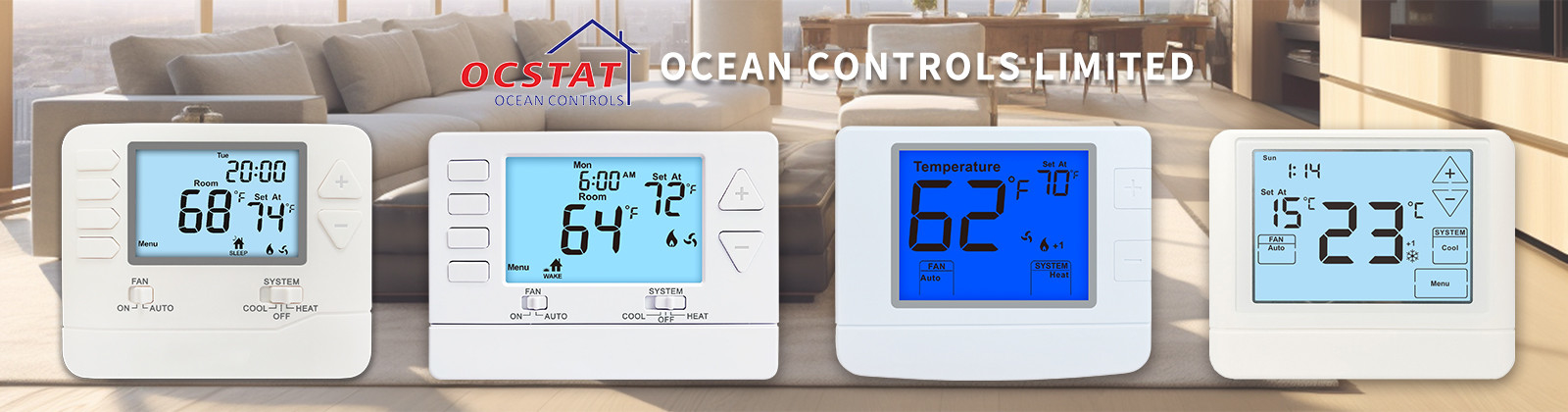
To maximize both comfort and savings, choosing the right thermostat and partner matters—and Ocean Controls Limited stands out as a trusted provider of innovative climate control solutions. With decades of experience in industrial and residential HVAC technology, Ocean Controls Limited offers a range of smart thermostat options designed to adapt to your lifestyle. Their smart thermostats feature programmable schedules, occupancy sensors, and remote access via mobile apps, allowing you to adjust temperatures on the go. For example, if you’re stuck late at work, you can lower your heating (or raise your cooling) from your phone to avoid wasting energy on an empty home. Ocean Controls Limited also provides expert installation and maintenance services, ensuring your thermostat works seamlessly with your HVAC system for long-term efficiency.
Heading 5: Customizing Your Thermostat Temperature – Factors to Consider
While 68°F (20°C) in winter and 72–78°F (22–25°C) in summer are great starting points, your perfect thermostat temperature may vary based on several factors:
- Household composition: Elderly family members or young children may prefer slightly warmer temperatures (70–72°F/21–22°C in winter), while healthy adults may tolerate cooler settings.
- Home insulation: Well-insulated homes retain heat/cool air better, so you can set your thermostat lower/higher without sacrificing comfort.
- HVAC system type: Heat pumps, for example, operate most efficiently at consistent temperatures (avoid setting them below 65°F/18°C in winter, as they may switch to auxiliary heat).
- Climate: In colder regions, you may need to keep your thermostat higher (68–70°F/20–21°C) to combat extreme cold, while warmer climates may allow for higher summer settings (76–78°F/24–25°C).
Heading 6: Final Tips for Thermostat Success
To wrap up, here are actionable steps to optimize your thermostat for comfort and savings:
- Stick to the baseline ranges (68°F/20°C winter, 72–78°F/22–25°C summer) as a starting point.
- Use programmable or smart thermostats (like those from Ocean Controls Limited) to automate adjustments—set cooler/warmer temperatures during sleep or when you’re away.
- Avoid placing your thermostat near heat sources (e.g., windows, lamps, appliances) or drafty areas, as this can lead to inaccurate readings and unnecessary HVAC cycles.
- Regularly maintain your HVAC system (filter changes, inspections) to ensure it works efficiently with your thermostat.
- Consult with experts like Ocean Controls Limited for personalized recommendations—they can assess your home’s unique needs and help you choose the right thermostat for maximum efficiency.
By following these guidelines and partnering with a reliable provider like Ocean Controls Limited, you can enjoy a comfortable home while keeping energy costs in check. Remember, your thermostat is more than just a temperature dial—it’s a tool to balance comfort, savings, and sustainability.