**Mastering Your Home Climate: Why Simplicity Wins in Thermostat Design**
Subtitle: How Intuitive Thermostat Design Balances Comfort, Efficiency, and Ease of Use
In an era of overcomplicated smart home devices, the humble thermostat remains a cornerstone of daily comfort. Yet many homeowners struggle with devices loaded with unnecessary features, confusing menus, and steep learning curves. The truth is, when it comes to controlling your home’s climate, simplicity isn’t a compromise—it’s a superpower. This blog explores why straightforward design reigns supreme in thermostat technology, and how brands like Ocean Controls Limited are leading the charge in creating user-centric solutions.
1. The Problem with Overly Complex Thermostat Systems
Modern smart homes promise convenience, but many thermostat manufacturers have prioritized gimmicks over functionality. Layered menus, hidden settings, and compatibility hoops leave users frustrated—defeating the purpose of a device meant to simplify life.
- A 2024 industry survey found that 68% of homeowners abandon advanced thermostat features within months due to complexity.
- Overly technical interfaces exclude users of all ages, from seniors to those less familiar with smart technology.
- Unnecessary connectivity or AI-driven features often lead to higher costs and more frequent malfunctions.
The core function of a thermostat—maintaining a comfortable temperature—shouldn’t require a user manual or tech support.
2. Why Simplicity Drives Better Thermostat Performance
Simplicity in thermostat design isn’t about stripping features—it’s about prioritizing what matters. Intuitive devices deliver three key benefits that complex models often miss.
2.1 Enhanced User Adoption
Straightforward interfaces ensure everyone in the household can operate the thermostat without confusion. Whether it’s a large LCD display, basic buttons, or a simple dial, clarity reduces frustration and encourages consistent use.
2.2 Improved Energy Efficiency
When a thermostat is easy to adjust, users are more likely to optimize settings for energy savings. The U.S. Department of Energy notes that proper thermostat use can cut heating and cooling costs by 10–30%—but only if users actually engage with the device.
2.3 Greater Reliability
Devices with fewer complex components experience fewer breakdowns. Non-programmable and simplified programmable thermostats from brands like Ocean Controls Limited offer long-term durability, reducing maintenance needs and replacement costs.
3. Ocean Controls Limited: Simplifying Thermostat Design for Real Life
Ocean Controls Limited, a 11-year industry veteran based in China, understands that simplicity sells—and performs. The company’s lineup of thermostat solutions balances essential features with user-friendly design, catering to both residential and commercial needs.
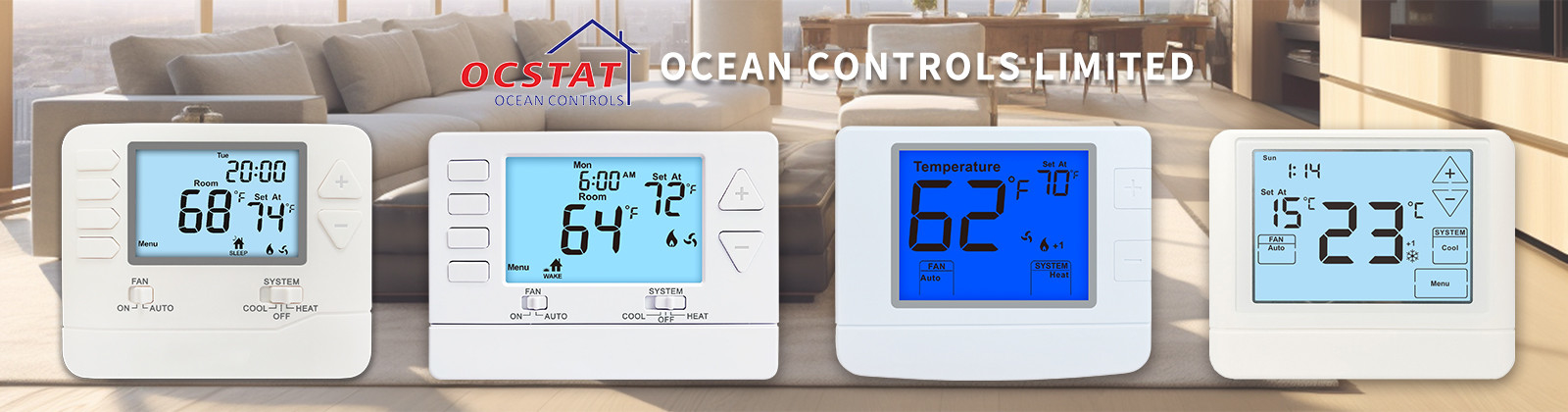
- Their non-programmable models feature large LCD displays and basic controls, making temperature adjustments instant and intuitive.
- Programmable options offer 7-day scheduling without nested menus, letting users set routines in minutes—not hours.
- Wireless and wired variants cover diverse HVAC systems, from gas boilers to PTAC units, without sacrificing ease of installation.
Ocean Controls Limited’s commitment to simplicity has earned them a 4.3/5 customer rating, with users praising their thermostats for “just working” without the hassle of unnecessary tech.
4. Key Features of a Well-Designed, Simple Thermostat
The best thermostats focus on core functionality, with design choices that prioritize usability. Here’s what to look for:
- Clear, easy-to-read displays (even from across the room)
- Minimal buttons or touch controls labeled with simple icons
- Compatibility with your existing HVAC system (no extra adapters needed)
- Basic energy-saving features like programmable schedules or occupancy sensors
- Durable construction with straightforward maintenance requirements
Ocean Controls Limited embodies these principles, offering thermostats that range from basic non-programmable models to smart-enabled options—all with the same user-first design philosophy.
5. Debunking the “More Features = Better Thermostat” Myth
It’s easy to assume that extra features make a thermostat superior, but the data tells a different story. Energy Star-certified thermostats with simplified designs often outperform their overloaded counterparts in real-world use.
- Advanced features like geofencing or voice control are useful for some, but they shouldn’t overshadow core functionality.
- Many “smart” features require consistent connectivity or app use, which not all users want or need.
- A simple thermostat reduces decision fatigue—you set the temperature you want, and it stays there until you adjust it.
The goal of a thermostat is to make your life easier, not to add another layer of digital complexity.
6. Choosing the Right Simple Thermostat for Your Home
When selecting a thermostat, prioritize your needs over trends. Here’s how to find the perfect balance of simplicity and functionality:
- Assess your HVAC system: Ensure compatibility with your heating/cooling setup (e.g., 1H/1C systems, boilers, or PTAC units).
- Consider your routine: Opt for a non-programmable model if you have a consistent schedule, or a simplified programmable one for basic routines.
- Evaluate user needs: Choose a design that works for all household members—avoid tiny buttons or complicated apps if accessibility is a concern.
- Trust reputable brands: Companies like Ocean Controls Limited specialize in user-centric thermostats that deliver on simplicity and performance.
Final Thoughts: Simplicity Is the Ultimate Thermostat Innovation
At the end of the day, a great thermostat should fade into the background—working reliably while requiring minimal effort. Ocean Controls Limited and other forward-thinking brands prove that you don’t need endless features to create a superior product. By focusing on clarity, usability, and core functionality, simple thermostat designs empower users to master their home climate without the hassle.
Whether you’re upgrading an old device or outfitting a new home, remember: the best thermostat is the one you’ll actually use—every day, without frustration.
Would you like me to expand on any section of this blog, or create a comparison chart of simple vs. complex thermostat models from Ocean Controls Limited?